Leaving the hospital after a stroke is a major milestone. For many survivors and their families, it can also feel like the beginning of a new chapter filled with both hope and uncertainty. Returning home often brings comfort and familiarity, but it also comes with new routines, adjustments, and responsibilities.
Recovery does not end when someone leaves the hospital. In fact, many people continue making meaningful progress for months or even longer after a stroke with the right support, rehabilitation, and ongoing medical care.¹ Understanding what to expect during this transition can help stroke survivors and caregivers feel more confident as they navigate life at home.
Preparing for the Transition Home
Before discharge, healthcare providers work with patients and families to develop a plan for continuing recovery. This process, often called hospital discharge planning, helps ensure that necessary services, equipment, medications, and follow-up appointments are arranged before returning home.²
Some important questions to discuss before discharge include:
- What assistance will be needed with daily tasks?
- Will any mobility equipment be required?
- What medications need to be taken and when?
- Which therapy appointments have been scheduled?
- Who should be contacted if new symptoms develop?
- What should the patient and caregiver learn about relevant medical conditions, medications, diet, lifestyle recommendations, and therapy?
- Which symptoms or warning signs should be monitored, and who should be contacted if they develop?
Having a written care plan can make the transition less overwhelming and provide a helpful reference once home.
Creating a Safe Home Environment
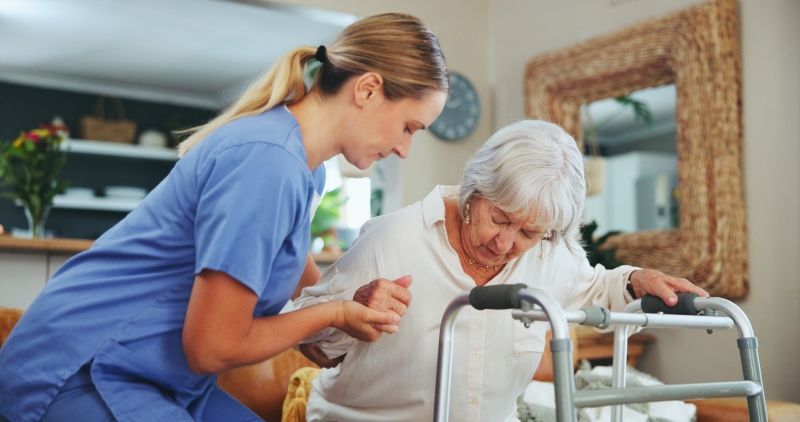
After a stroke, balance, strength, vision, and coordination may be affected. Making a few practical changes around the home can reduce the risk of falls and help encourage greater independence.
Consider these home safety improvements:
- Remove loose rugs and clutter from walking paths.
- Install grab bars in bathrooms.
- Add adequate lighting throughout the home.
- Use non-slip mats in showers and tubs.
- Arrange frequently used items within easy reach.
- Consider ramps or stair railings if needed.
If concerns remain, an occupational therapy evaluation can identify additional modifications that support safe movement throughout the home.³
Continuing Rehabilitation
Recovery is often a team effort. Depending on a person's needs, rehabilitation may continue at home, in an outpatient clinic, or in a skilled nursing facility before transitioning back home. Wherever care takes place, the goal is to help stroke survivors regain as much independence and function as possible through individualized therapy.
Physical therapy
Physical therapy focuses on improving strength, balance, coordination, and mobility. Therapists help patients practice walking, transferring safely, climbing stairs, and rebuilding endurance.
Occupational therapy
Occupational therapy helps individuals regain independence with activities of daily living (ADLs) such as dressing, bathing, cooking, grooming, and managing household tasks. Therapists may also recommend adaptive equipment that makes everyday activities easier.
Speech therapy
Stroke can affect communication, language, memory, thinking skills, and swallowing. Speech therapy addresses speech and language challenges while also helping people safely eat and drink when swallowing difficulties are present.¹
Neuro rehabilitation
Stroke can affect much more than physical movement. Some survivors experience changes in memory, attention, problem-solving, communication, balance, or coordination. Neuro rehabilitation addresses these neurological changes through individualized treatment plans along with exercises designed to improve cognitive function and everyday independence.⁴
Progress may sometimes feel slow, but even small improvements can have a meaningful impact on independence and overall quality of life.
Managing Daily Health at Home
Successful recovery involves more than therapy appointments. Establishing healthy routines can support healing and reduce the risk of future health problems.
Some key areas to focus on include:
- Consistent medication management using pill organizers or medication reminders.
- Attending all scheduled follow-up care appointments with healthcare providers.
- Eating a balanced diet that supports heart and brain health, including plenty of fruits, vegetables, whole grains, lean proteins, and healthy fats. Good nutrition plays an important role in recovery and long-term wellness.⁵
- Staying physically active according to recommendations from the healthcare team.
- Monitoring blood pressure and other health conditions when advised.
Caregivers often play an important role in helping maintain these routines, especially during the early stages of recovery.
Preventing Another Stroke
Experiencing one stroke increases the risk of having another. Fortunately, many risk factors can be managed through lifestyle changes and medical treatment.¹
Strategies for secondary stroke prevention may include:
- Taking medications exactly as prescribed.
- Working toward the goals recommended by the healthcare team for blood pressure, cholesterol, diabetes, weight, and other chronic health conditions.
- Quitting smoking if applicable.
- Limiting alcohol intake.
- Remaining physically active.
- Following a heart-healthy eating pattern.
- Keeping regular appointments with healthcare providers.
Every person's prevention plan is unique, so it is important to work closely with the medical team to understand individual recommendations.
Supporting Emotional Recovery
The emotional effects of stroke can be just as significant as the physical ones. Feelings of frustration, sadness, anxiety, or uncertainty are common as survivors adjust to changes in their abilities and daily routines. Family caregivers may also experience emotional stress.
Counseling, stroke support groups, and open communication with loved ones can help both survivors and caregivers navigate these challenges. Addressing emotional well-being is an important part of the recovery process.⁶
The Importance of Caregiver Support
Family caregivers often play a central role in recovery by helping with medications, appointments, therapy exercises, and daily care. At the same time, they need support of their own.
Caregivers can protect their well-being by asking for help, using respite services when available, staying connected with healthcare providers, and making time to care for their own physical and emotional health.
Connecting With Community Resources
Community programs can provide valuable support throughout stroke recovery. Helpful community resources may include:
- Stroke support groups
- Local senior centers
- Transportation services
- Home health agencies providing home care
- Meal delivery programs
- Exercise and wellness classes for stroke survivors
Healthcare providers and organizations such as the American Stroke Association can also help connect families with local services.
Looking Ahead
Returning home after a stroke is both an adjustment and an opportunity. Recovery rarely follows a straight path, and every person's experience is different. Some days may bring noticeable progress, while others may feel more challenging.
With thoughtful planning, ongoing rehabilitation, a safe home environment, consistent medical care, and strong support from family and healthcare professionals, many stroke survivors continue to regain independence and improve their quality of life. Focusing on small achievements, celebrating progress, and making use of available resources can help create a stronger foundation for long-term recovery.
Get in Touch
Learn more about how NeuroGen at Allendale supports personalized care for patients in Allendale, NJ. Contact us today to schedule a tour or speak with a member of our care team.